Bedtime story
Short bedtime stories to read aloud or listen to together
Original stories that take just a few minutes, written to be read aloud to kids ages 3 to 8, or listened to with our storyteller. Each one tells a small moment from a child’s everyday life, ends gently, and comes with a few questions to talk about together.
· By the Child Fiction team
All stories
To talk about a value
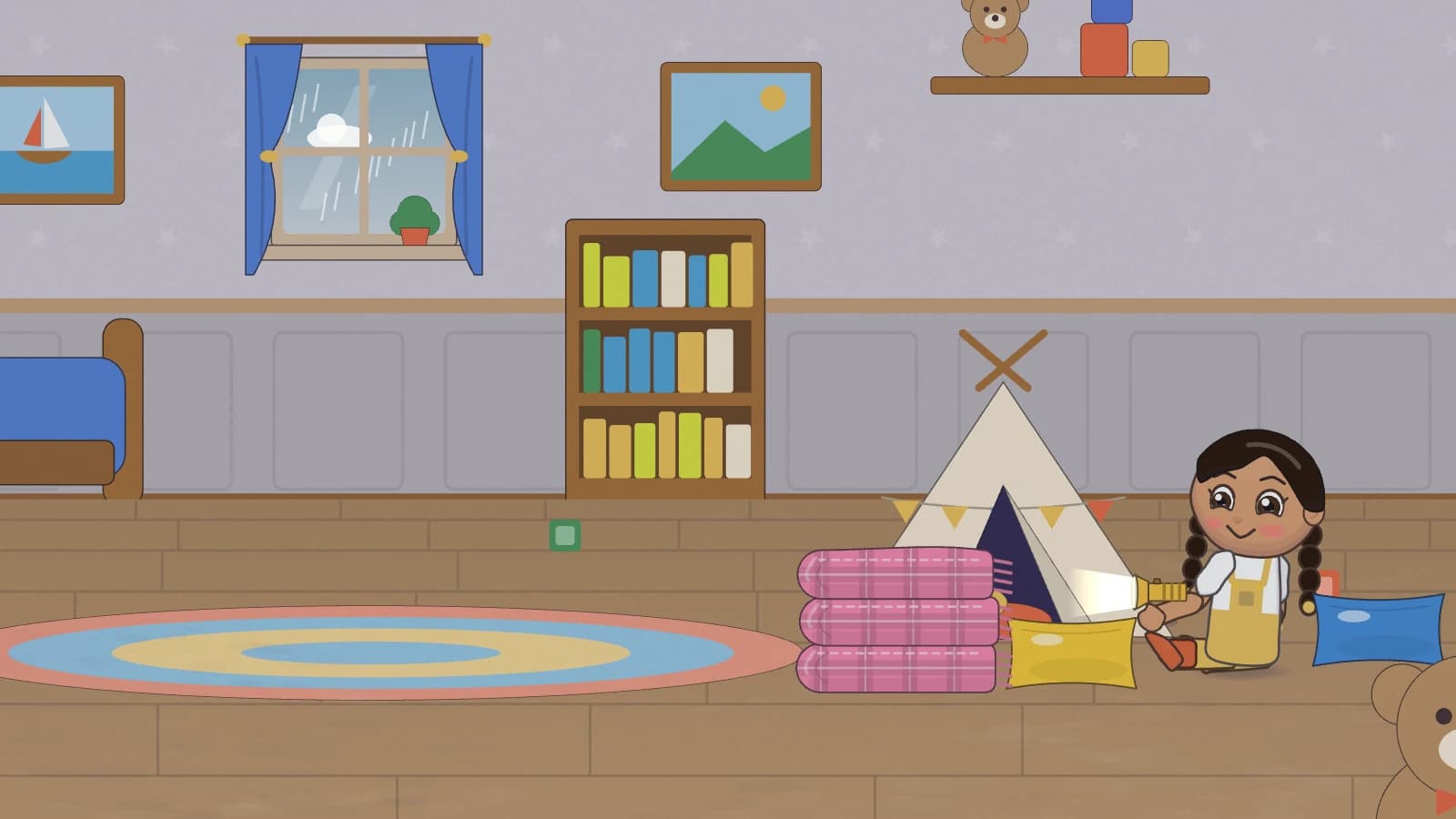
Lila’s Big Blanket Fort
On a rainy Saturday, Lila builds a giant blanket fort in the living room, just for herself. But a fort can be awfully big for just one person…Ages 3 to 75-minute read5-minute listen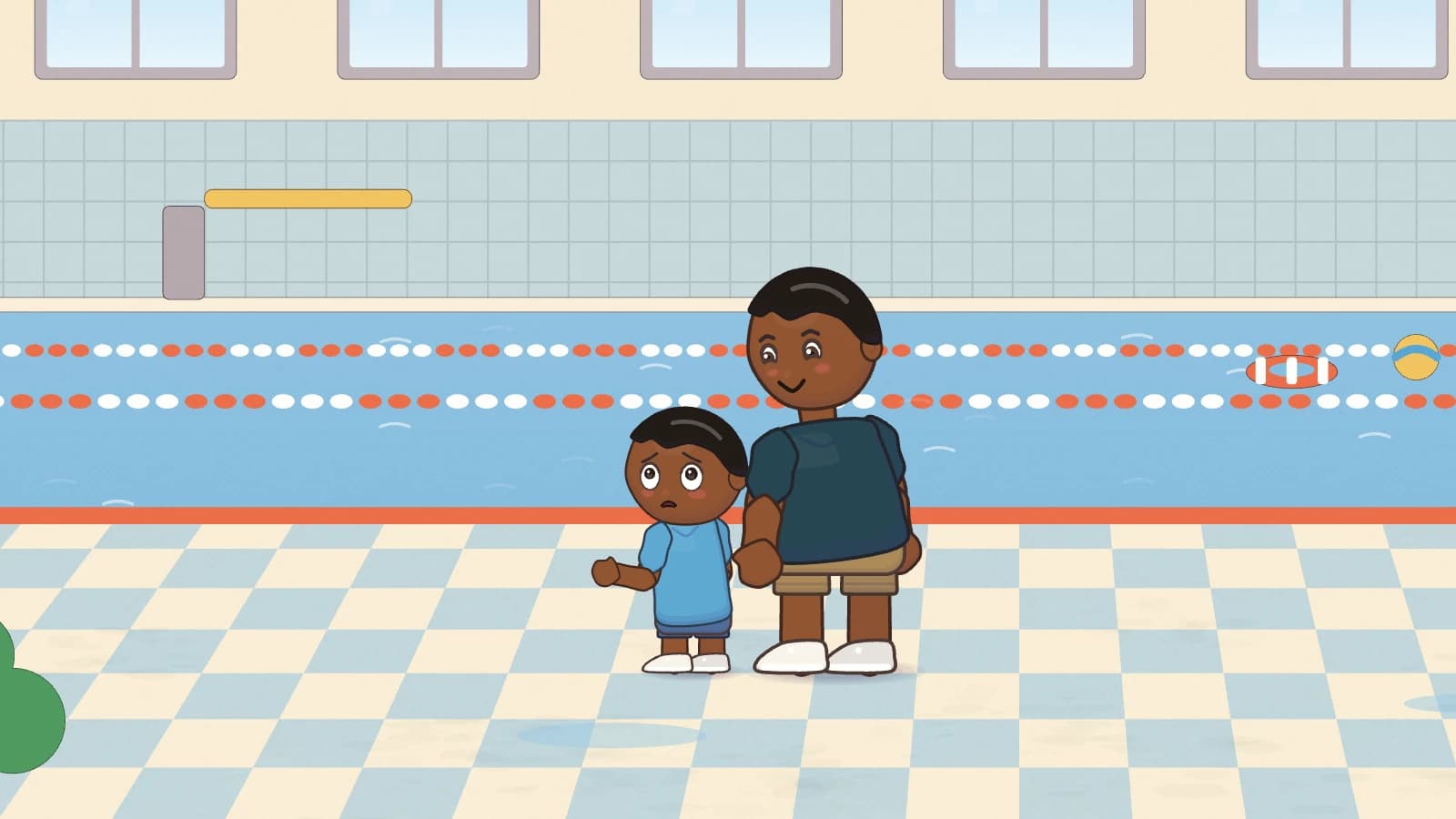
Noah and the High Diving Board
For weeks, Noah has watched the big kids jump off the high dive. Today he climbs the ladder… but from up there, the water looks so far away.Ages 4 to 85-minute read6-minute listen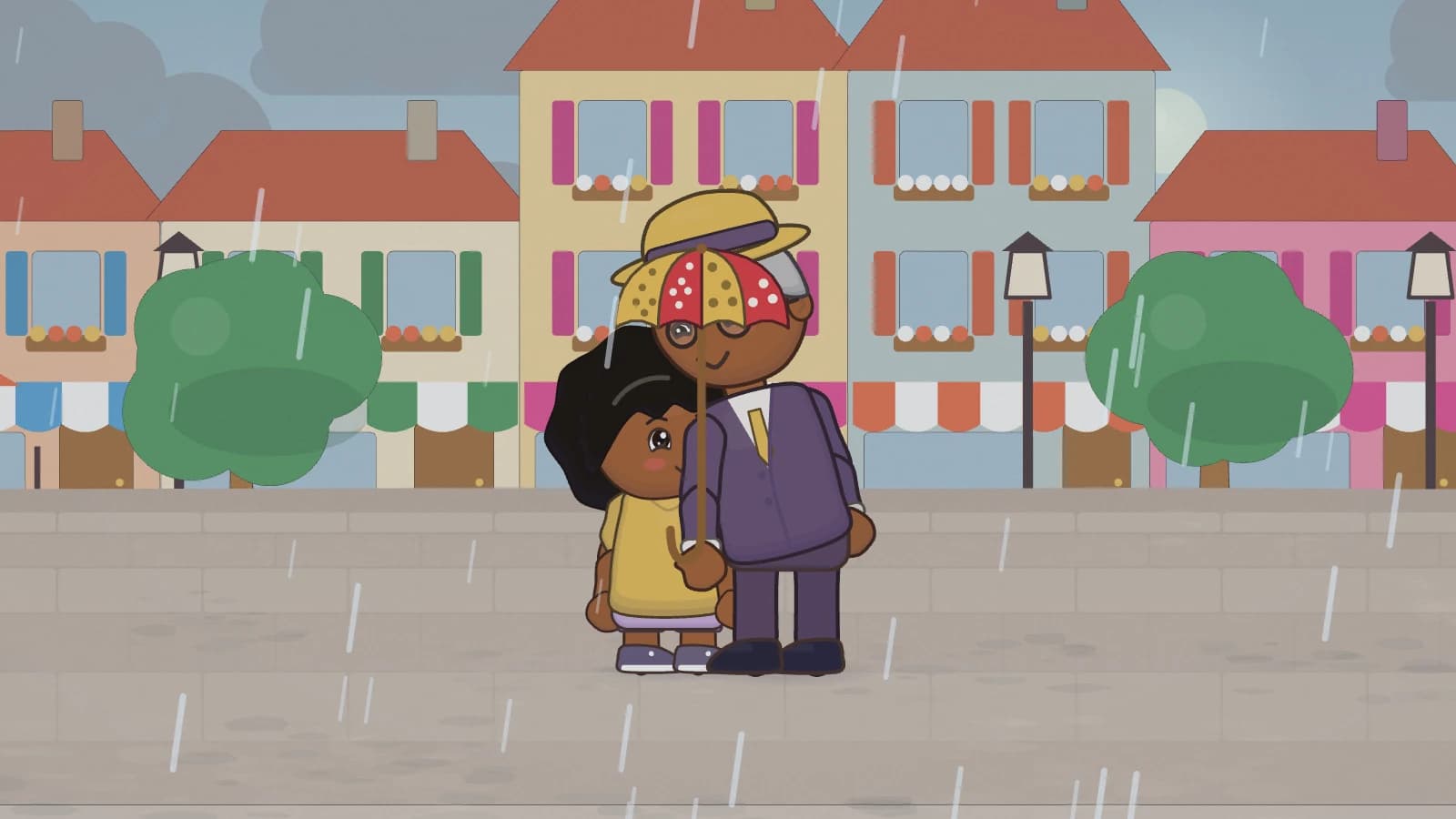
Grandma Rose’s Umbrella
On a rainy Tuesday, Nora walks home from school under her grandma’s giant umbrella. At the bus stop, a boy from her class is standing in the pouring rain…Ages 3 to 84-minute read5-minute listen
Zoe Can’t Whistle (Yet)
Her big brother, Hugo, whistles from morning till night. Zoe can round her lips all she wants, but nothing comes out except air. Pfff…Ages 4 to 84-minute read5-minute listen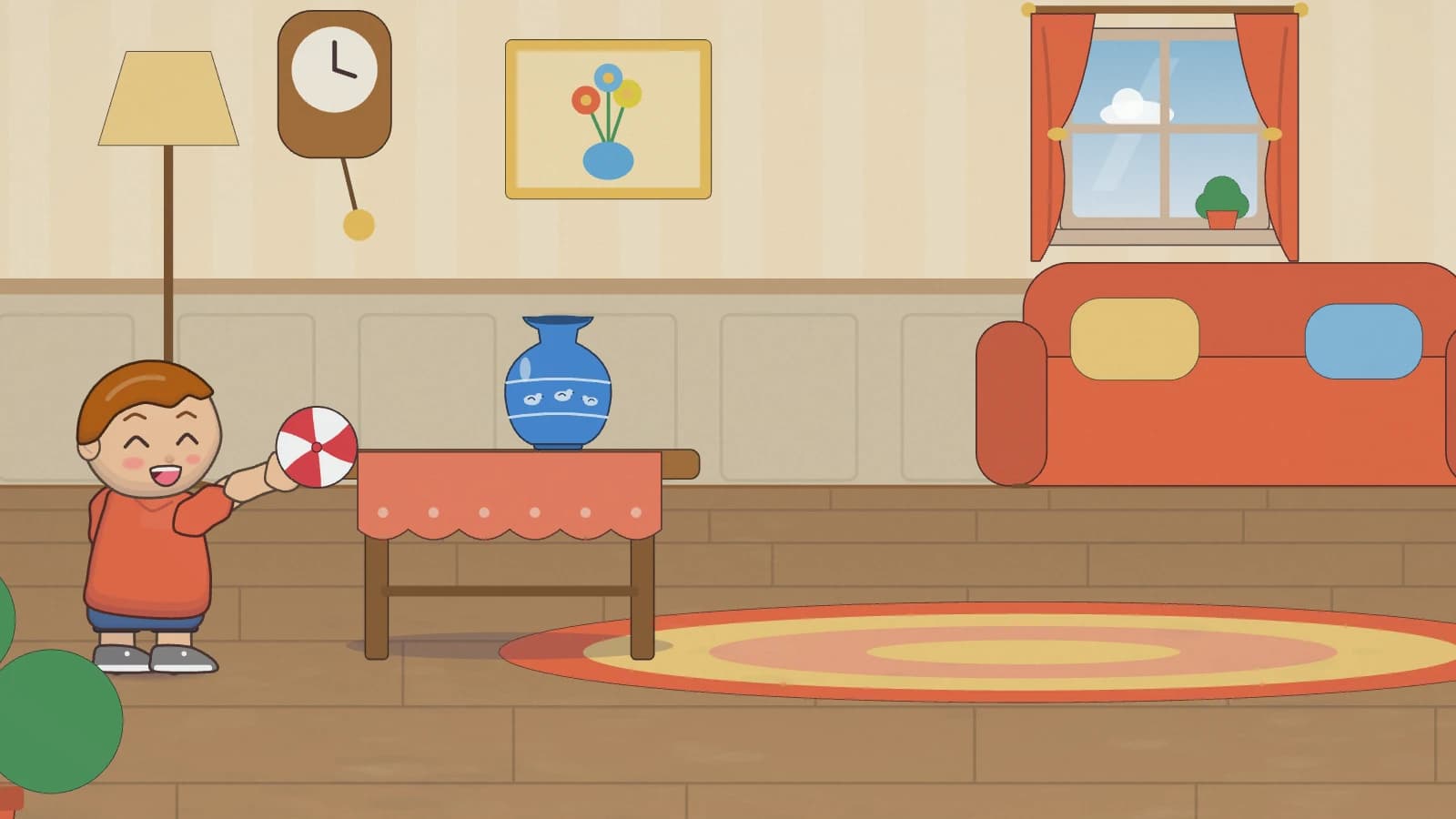
The Blue Vase
Sam was playing ball in the living room, and Mom’s blue vase fell. Nobody saw. But in Sam’s pocket, there’s a little blue piece…Ages 3 to 85-minute read5-minute listen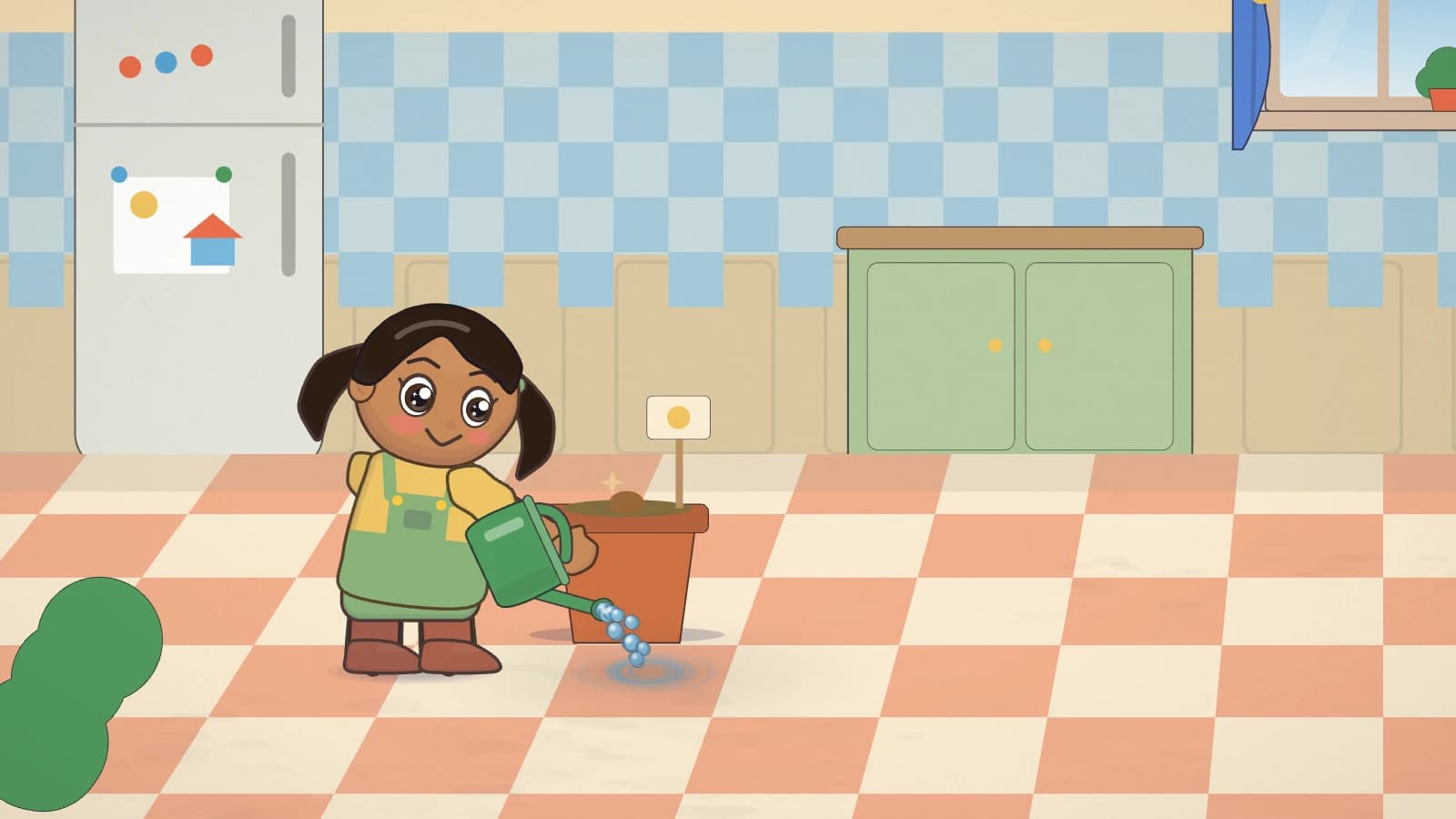
Sasha’s Little Seed
Sasha has planted a sunflower seed. Every morning she runs to check the pot… and every morning, nothing. How do you wait when you can hardly wait?Ages 3 to 77-minute read7-minute listen
For a big moment in life
Who’s Making That Noise?
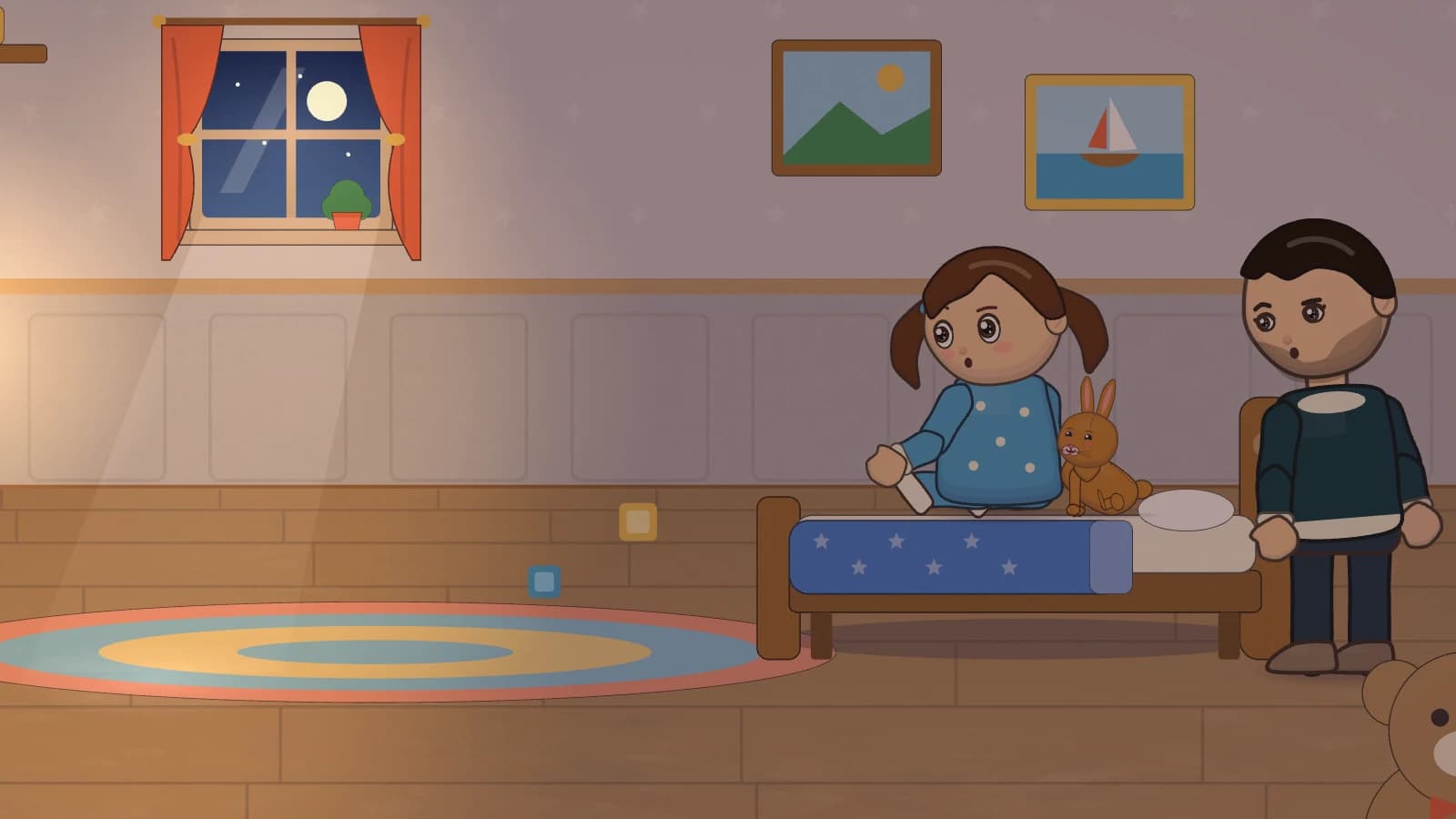
Tap, tap… Hoo, hoo… Glug, glug… Snuggled in bed, Maya hears some funny noises. So she grabs Caramel, her bunny, and her flashlight, and decides to investigate.Ages 3 to 85-minute read7-minute listen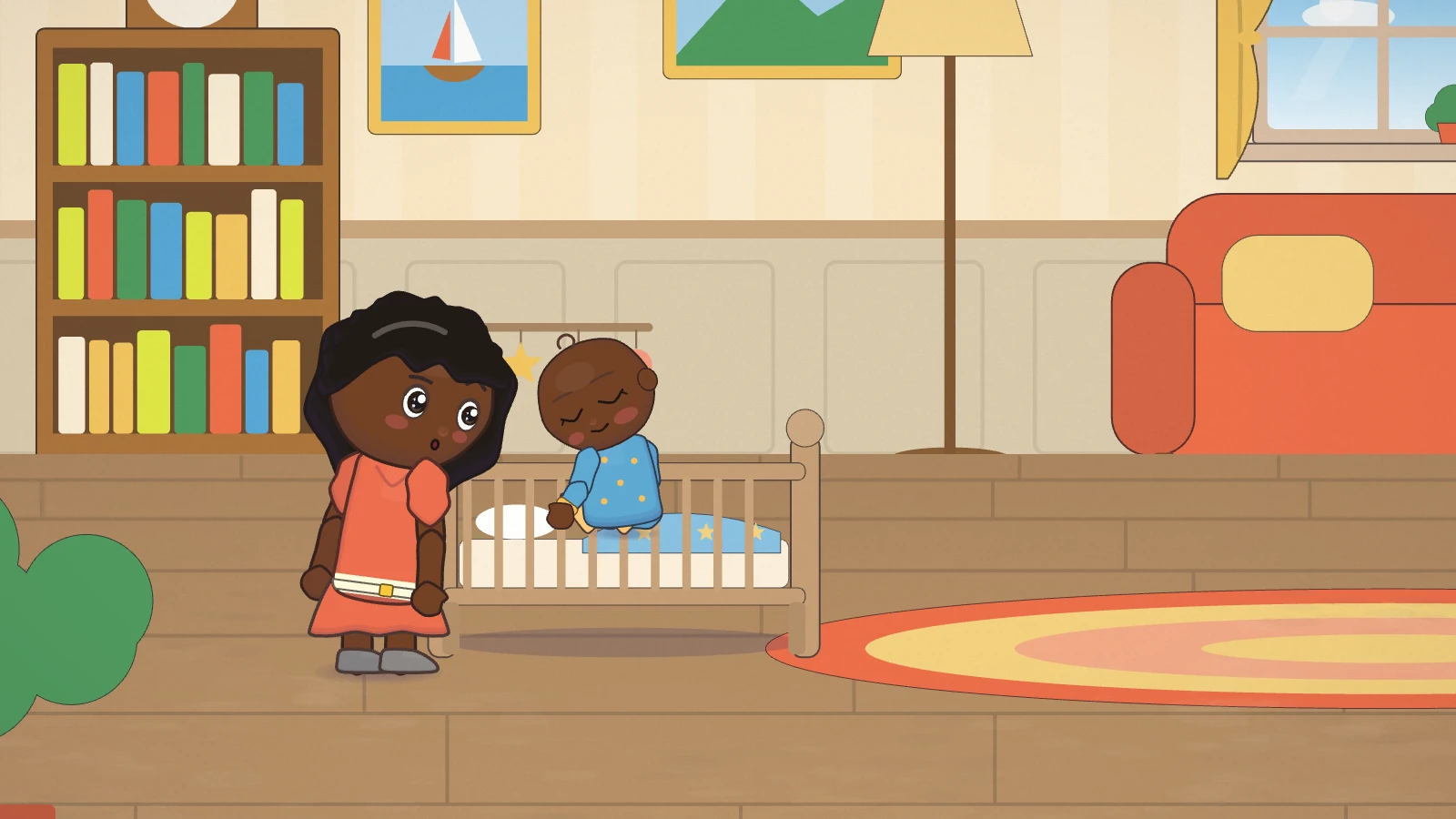
A Tiny Brother for Ines
Ever since Paul came home, the whole house has been whispering, and everyone only has eyes for him. Ines finds her baby brother a bit of a nuisance… until she figures out how to talk to him.Ages 3 to 85-minute read6-minute listen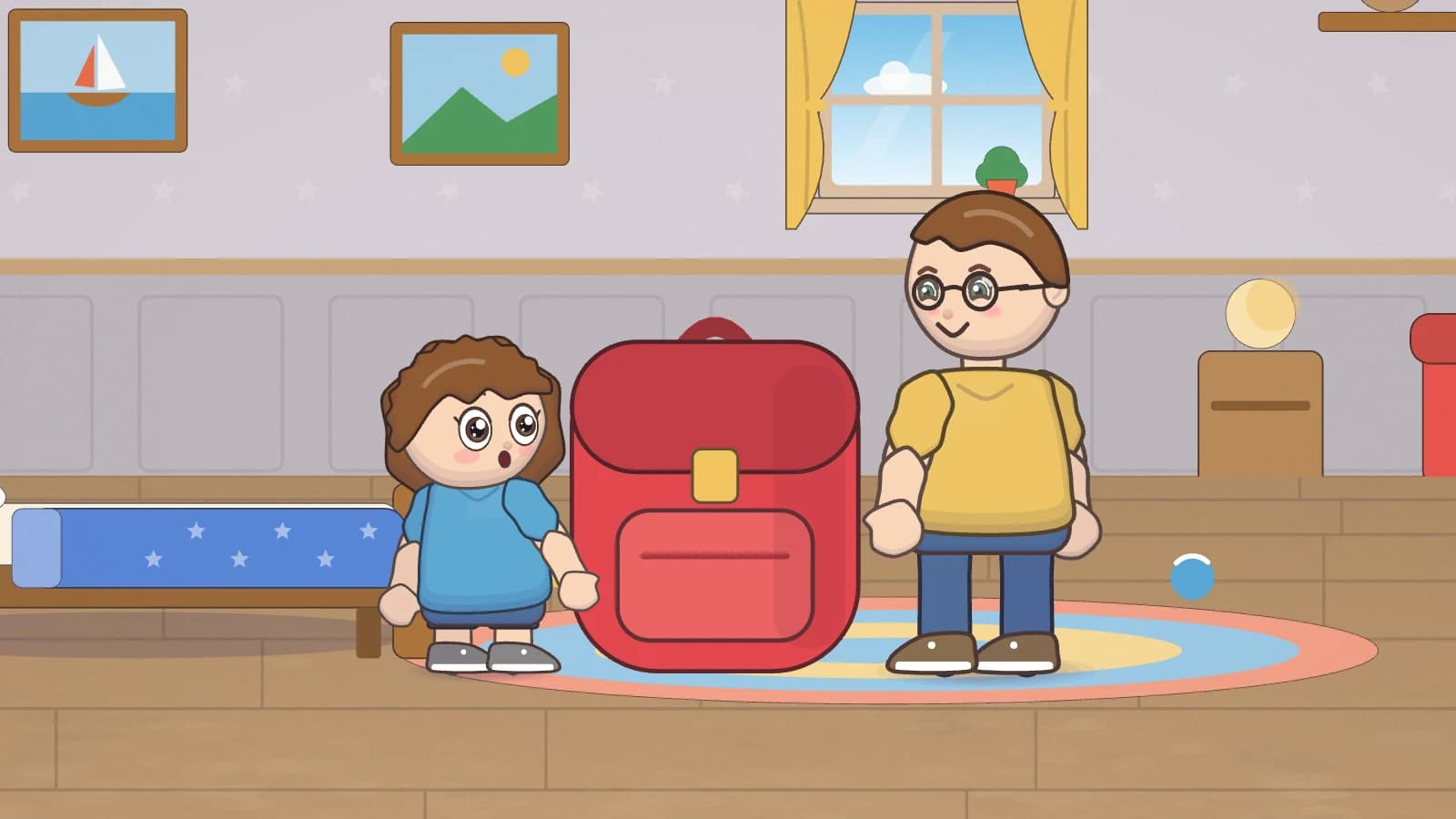
Tom’s Big Backpack
Tomorrow is Tom’s very first day of preschool. His brand-new backpack is so big he could almost hide inside it. But what do you pack for a first day of school, anyway?Ages 3 to 66-minute read7-minute listen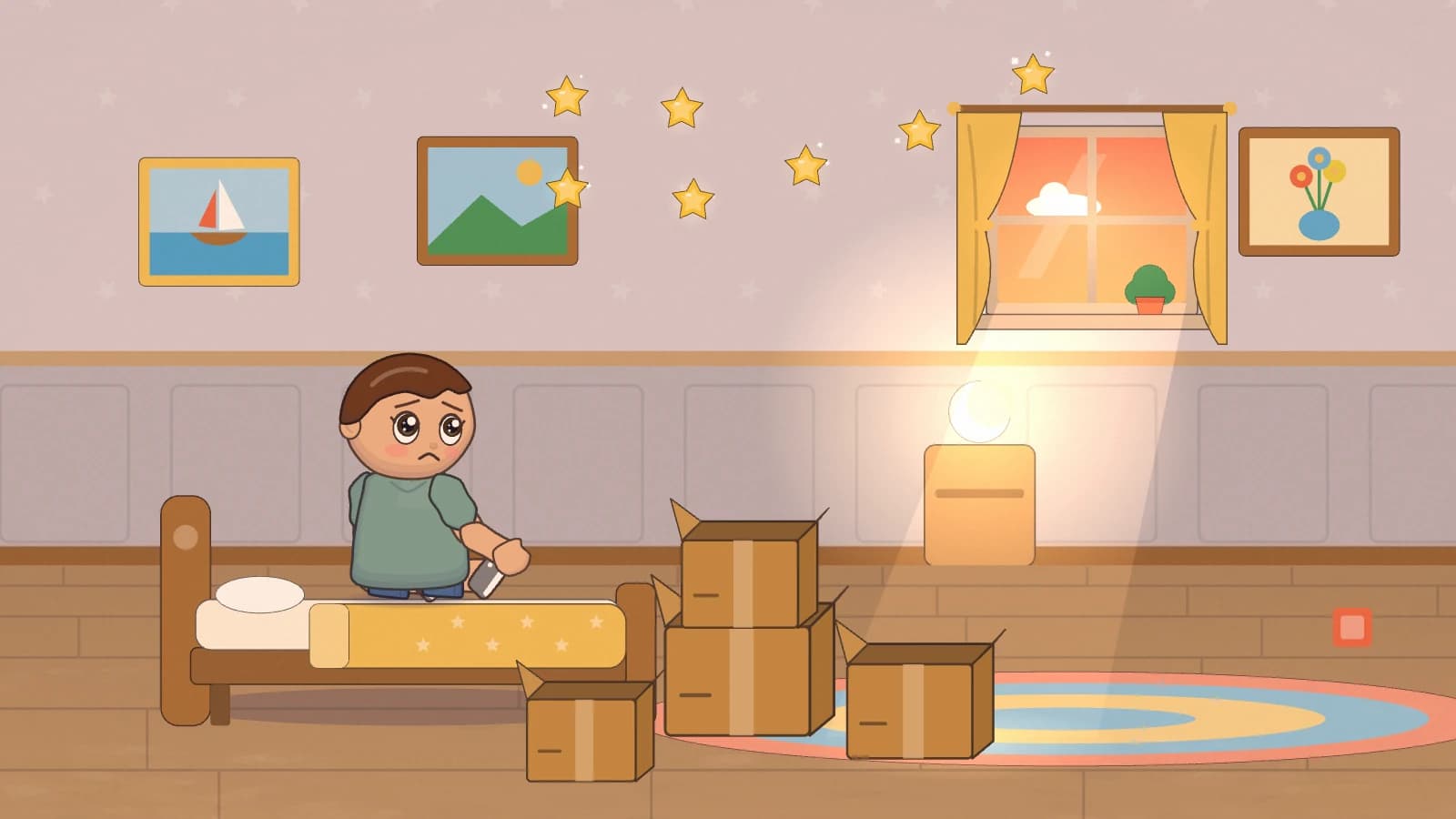
Milo’s New Room
Milo is leaving his room with the stars for a house he has never seen. There, his new room is all white and all empty… and it repeats everything he says.Ages 3 to 85-minute read6-minute listen
No moving pictures, no sound effects: a few still pictures, like in a picture book, then your voice, the words, and your child’s imagination. Print the story during the day, or read it from this page with the screen turned toward you, not your child; you can also read it once on your own and then tell it in your own words.
Why stories to read, not to watch?
The American Academy of Pediatrics advises turning screens off in the hour before bed, and not relying on screens to calm children down or to get them to sleep. The World Health Organization, for its part, encourages reading and storytelling with young children during quiet time. That’s why these stories are texts to read aloud, or to listen to with the screen off, right next to your child.
Listen with the screen off
On tired evenings, or just for a change, a storyteller can read the story instead. Start it, then put the phone down or turn off the screen: the voice keeps going, with no music or sound effects, and nothing plays after the end. It’s a synthetic voice made by Child Fiction; it doesn’t replace yours, but it can take over now and then.
How to read these stories with your child
- Keep a simple bedtime routine: the same spot, soft light, one story (or two on special nights).
- Read slowly and leave pauses, so your child has time to picture what comes next. Change your voice a little for each character; a whisper often does the trick.
- Adjust for age: with a 3- or 4-year-old, shorten a passage or tell it in your own words; around 7 or 8, invite your child to read a line of dialogue.
- Ask one question at the end, and stop there if your child is yawning; you’ll find a few under each story. A short answer, or no answer at all, is just fine.
- Reread the favorites: kids love coming back to a story they know, and they notice new details every time.
What we know about bedtime reading
The American Academy of Pediatrics encourages parents to read often with young children, at least through kindergarten, because these shared moments strengthen the bond between a child and the grown-up reading. A 2018 research review also links a consistent bedtime routine that includes a story or a song with better sleep in young children, while calling for more studies. No story puts a child to sleep on cue: what matters most is a calm, predictable routine.
Stories tied to values and big moments
Each story goes with a page for parents. Values: sharing, being brave, kindness, self-confidence, honesty, and patience. Big moments: fear of the dark, a new baby sibling, starting school, and moving to a new home. There you’ll find everyday situations by age and ideas for talking things over.
None of these stories preaches: the characters hesitate, sometimes get things wrong, and find their own way through. One study of 5- and 6-year-olds even suggests that asking children to explain a story helps them draw a broader idea from it, sometimes more than hearing the moral spelled out. To go further: teaching values through stories.